Skip to main contentSkip to footer
Botox Treatments

Botox (Botulinum Toxin) Applications

Botox refers to the use of Botulinum Toxin Type A, purified for medical purposes and derived from the bacterium Clostridium botulinum, in aesthetic and medical treatments.

Procedure Duration :

10 - 15 min

What Is Botox?

Botox is the use of Botulinum Toxin Type A, obtained from the bacterium Clostridium botulinum and purified for medical use, in both aesthetic and medical fields. It temporarily blocks the nerve–muscle transmission in the muscles where it is applied, thereby reducing muscle contractions. As a result, wrinkles caused by facial expressions are softened, and conditions such as muscle spasms and excessive sweating can be effectively controlled.

Botox is a treatment that has been safely used worldwide for many years and is approved by health authorities and international regulatory bodies.
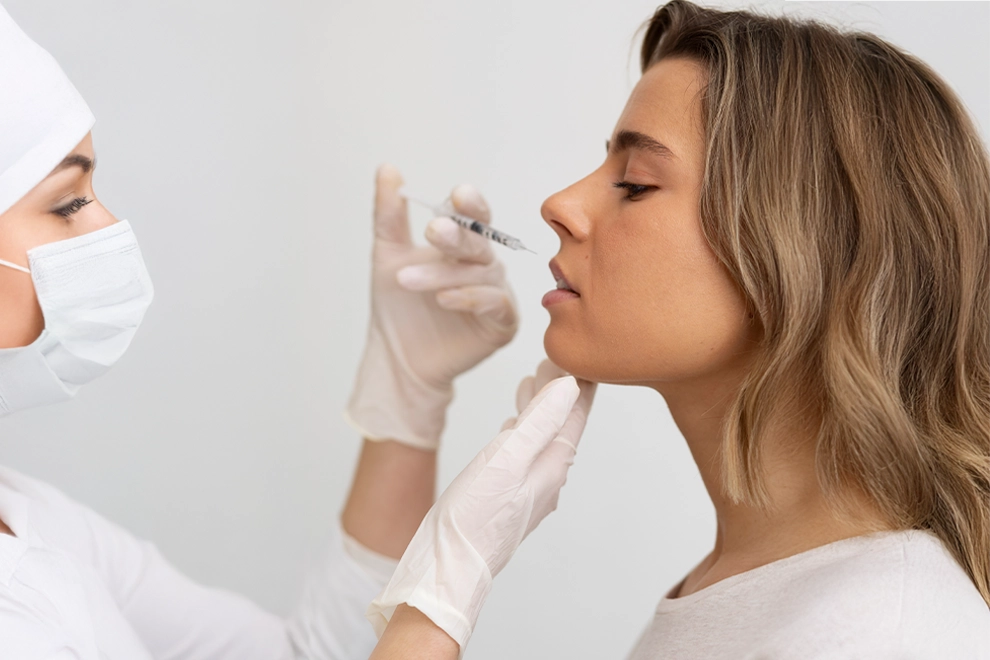
How Is Botox Applied?

  • The patient is evaluated and facial expression analysis is performed before the procedure
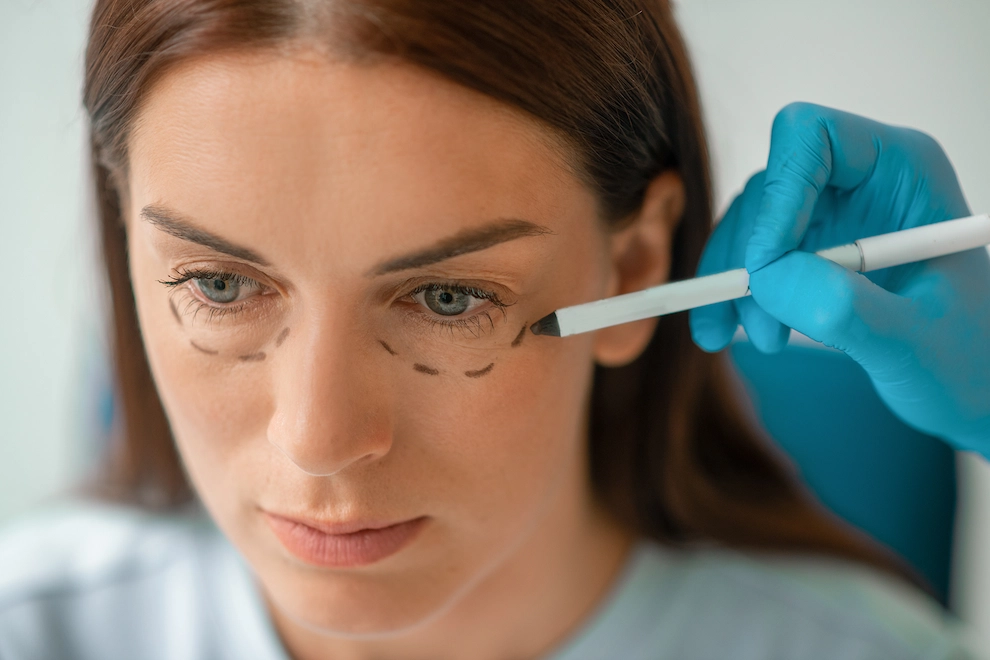
  • Treatment areas are determined individually
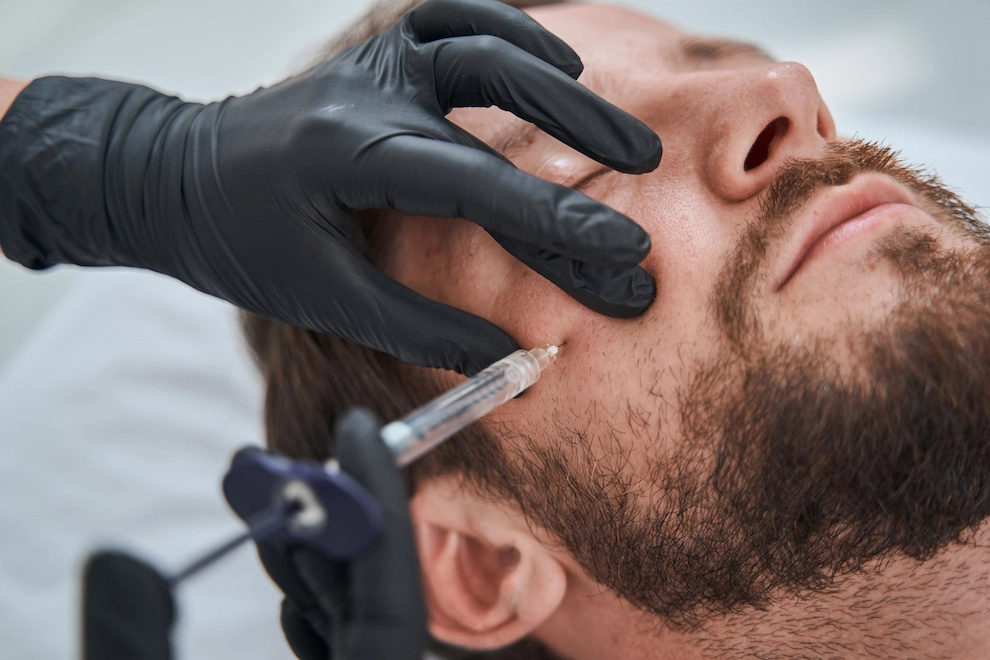
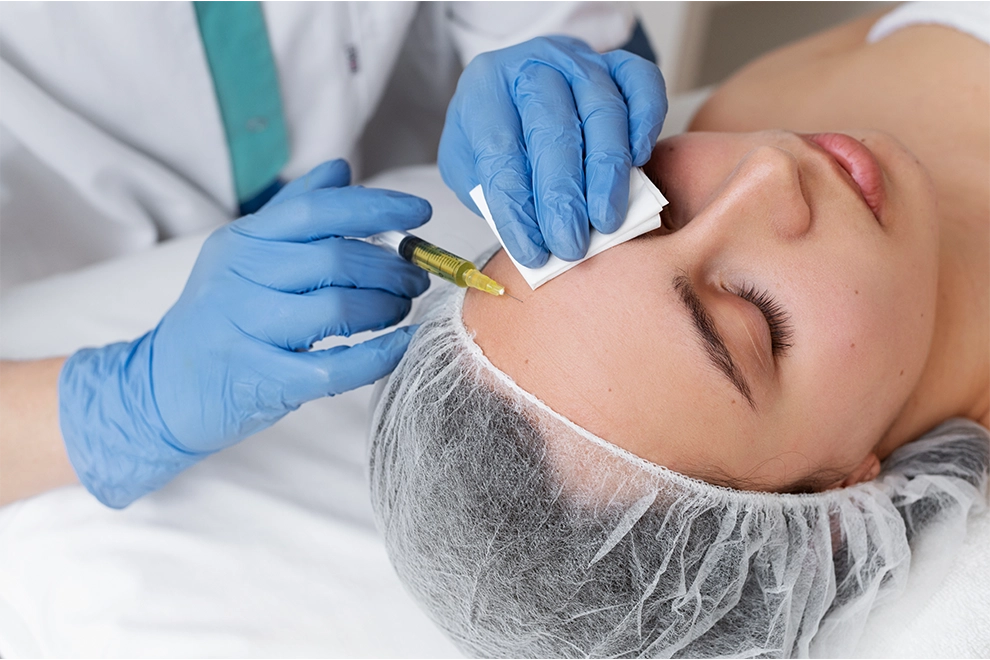
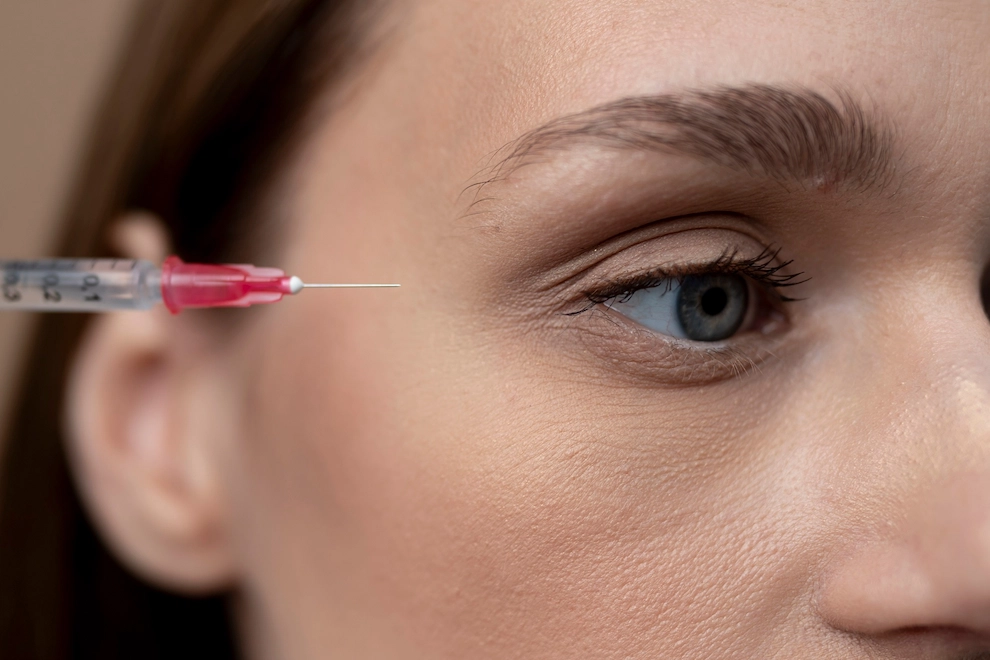
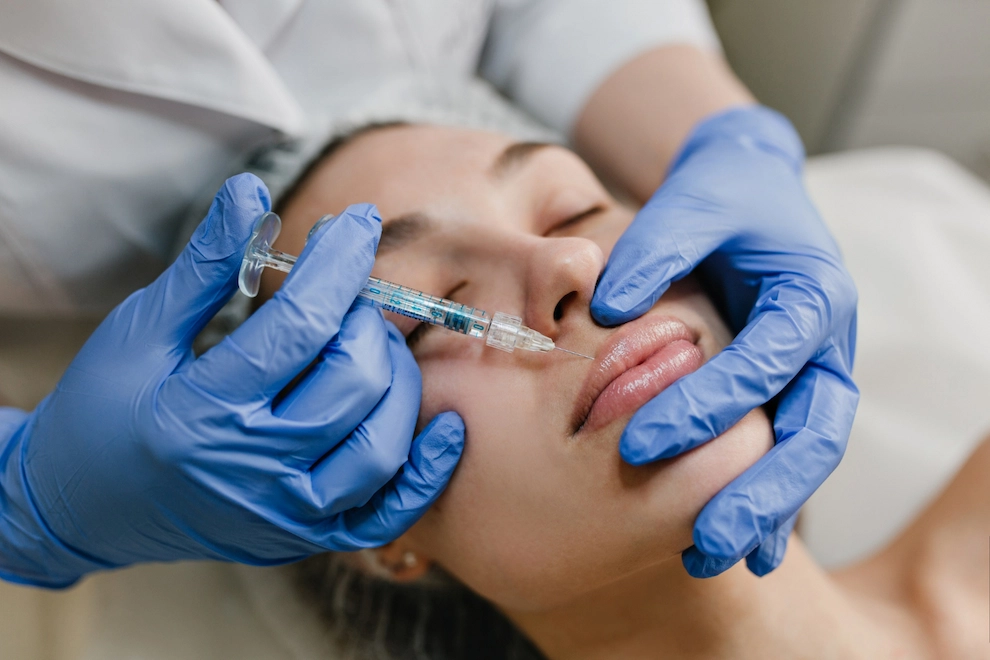
  • Small doses are injected into the targeted muscles using very fine needles
  • The procedure usually takes 10–15 minutes
  • It does not require anesthesia; a topical anesthetic cream may be applied if necessary
  • The patient can return to daily life immediately after the procedure

Botox can be safely applied to male and female patients who:

  • Are over 18 years of age
  • Are not pregnant or breastfeeding
  • Do not have neuromuscular disorders
  • Do not have an active infection

Botox temporarily blocks the release of acetylcholine, a chemical messenger that transmits signals from nerves to muscles. As a result:

  • Excessive muscle contraction is reduced
  • Wrinkles on the skin are softened
  • Unwanted muscle movements are temporarily suppressed

Its effect is not permanent; nerve transmission gradually recovers over time.

  • The effect usually begins within 3–5 days
  • Maximum effect is seen within 10–14 days
  • The duration of effect is approximately 4–6 months

With regular treatments, the duration of effect may be prolonged

Where Is Botox Applied?

Medical Indications

- Excessive sweating (underarms, palms, soles)
- Teeth clenching and grinding (bruxism)
- Migraine treatment
- Neck and facial muscle spasms
- Eyelid twitching (blepharospasm)

Aesthetic Treatment Areas

- Forehead lines
- Glabellar lines (between the eyebrows)
- Crow’s feet (around the eyes)
- Nasal expression lines (on the nose)
- Upper lip lines (smoker’s lines)
- Chin (orange peel appearance)
- Brow lift
- Neck bands (platysmal bands)

Mild and Temporary Side Effects

  • Redness or bruising at the injection site
  • Mild headache
  • Tenderness in the treated area

Rare Complications

  • Drooping of the eyebrow or eyelid
  • Facial asymmetry
  • Unwanted muscle weakness
    These conditions are usually temporary.

Bruising and Swelling

  • Cold compress
  • Topical anti-bruising products
  • Observation (usually improves within 3–7 days)

Headache

  • Simple pain relievers
  • Rest and adequate fluid intake

Eyebrow or Eyelid Drooping

  • Clinical evaluation
  • Special eye drops if necessary
  • Balancing with low-dose corrective Botox
  • Observation (typically improves within weeks)

Facial Asymmetry

  • Facial expression analysis
  • Corrective Botox applications

Frozen Expression or Excessive Effect

  • Wait-and-see approach
  • Dose and technique revision in the next session

Botox is a modern treatment used in both aesthetic and medical fields that provides effective, safe, and satisfying results when performed by experienced professionals. With personalized planning and physician supervision, it is possible to achieve a natural, healthy, and well-balanced appearance.

For more detailed information about Botox applications or to schedule an appointment, please contact us.

  • Do not panic and do not attempt self-intervention
  • Contact the physician who performed the procedure
  • Do not use medications or perform any procedures based on information found online
  • Do not miss your follow-up appointments (a check-up is usually recommended on days 10–14)
  • Severe and persistent pain
  • Significant vision problems
  • Signs of a widespread allergic reaction
  • Redness, discharge, or fever suggesting infection

When applied by an experienced physician with the correct dose and proper muscle selection, Botox does not create a frozen expression. The goal is not to eliminate facial expressions, but to control excessive muscle movements.

Botox is highly safe when performed with proper patient selection, the correct dosage, appropriate technique, and the use of original products. The most important safety factor is that the procedure is performed by a qualified physician.
Frequently Asked Questions

You can explore the most commonly asked questions regarding our healthcare services and treatment methods.

Other Services