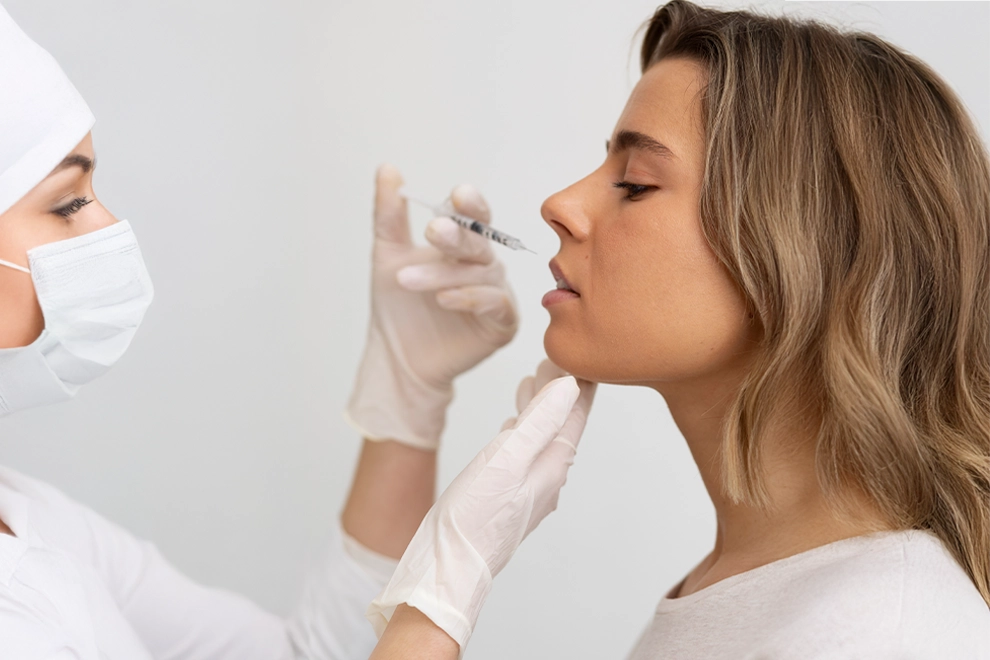
Botox (Botulinum Toxin) Applications
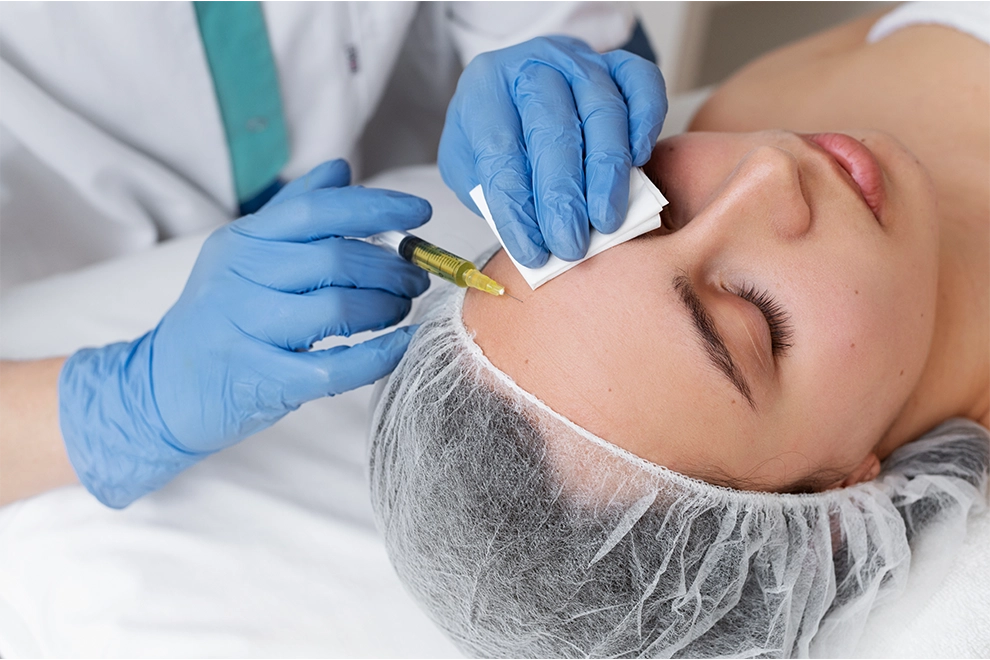
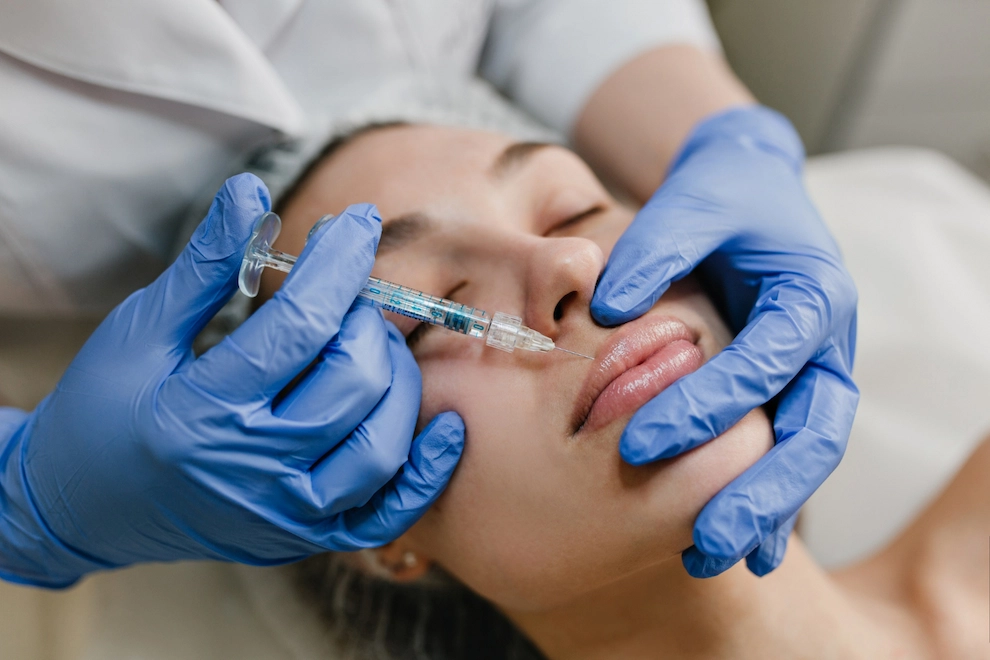
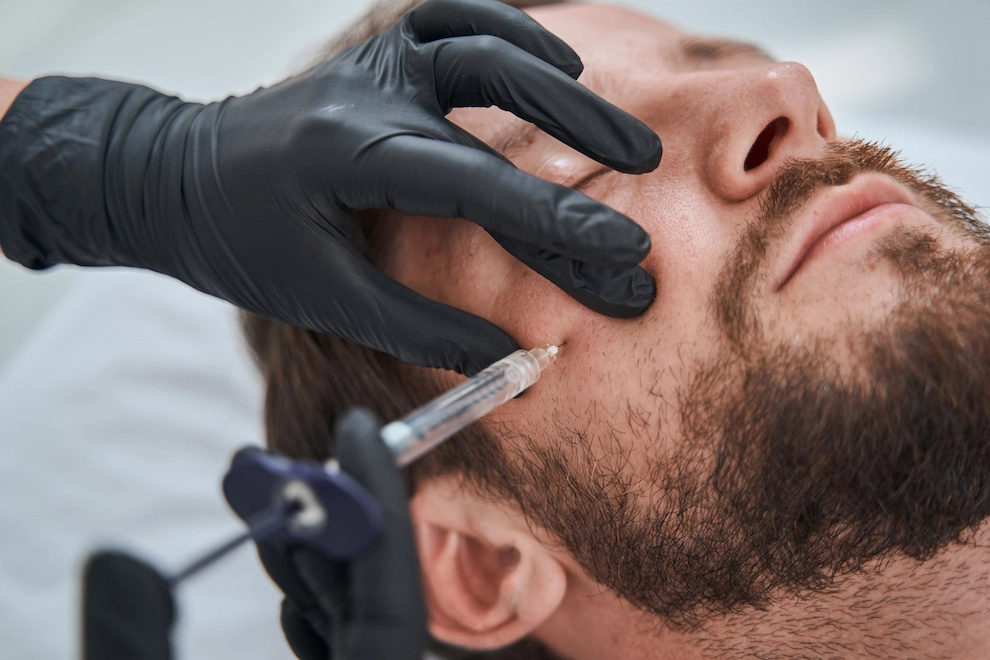
What Is Botox? Botox is the use of Botulinum Toxin Type…
Get Information

Cellulite treatments are injection-based medical aesthetic procedures aimed at reducing localized fat deposits without the need for surgical intervention.
Procedure Duration :
20 - 30 min
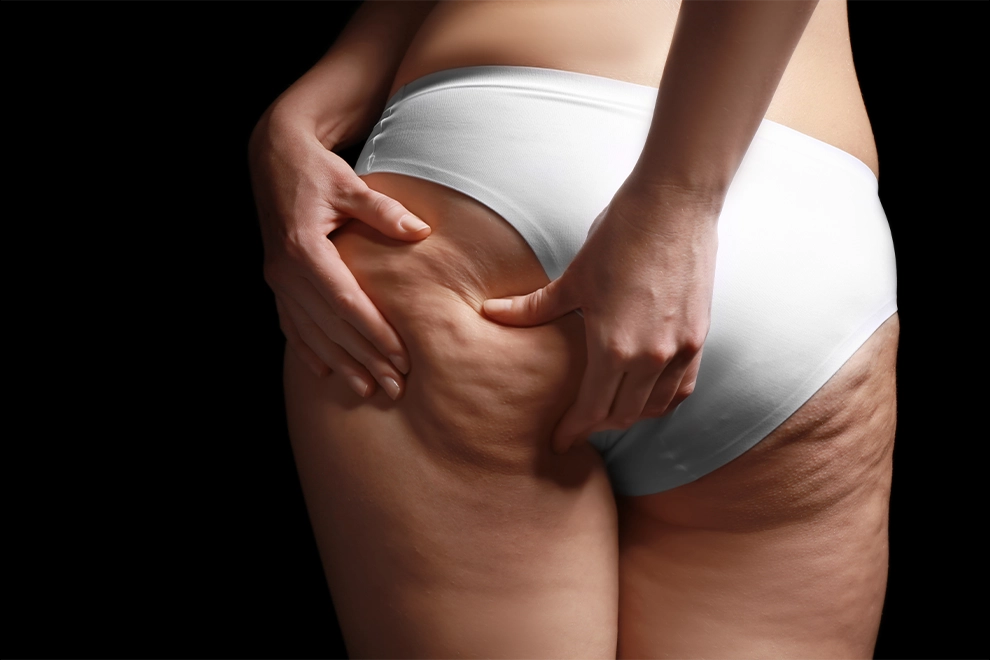
Cellulite is a condition caused by the irregular pushing of subcutaneous fat tissue between connective tissue fibers, leading to an orange peel appearance on the skin’s surface. It is most commonly seen on the hips, thighs, buttocks, and abdomen. Cellulite is not only related to weight; it is a multifactorial condition that can occur in individuals of any body type.
Genetic predisposition, hormonal factors, circulation disorders, weakened connective tissue, sedentary lifestyle, and poor eating habits play significant roles in the formation of cellulite.
As subcutaneous fat cells grow, the elastic structure of the connective tissue weakens. This causes the fat tissue to push upwards, slowing down blood and lymph circulation. Disrupted circulation leads to fluid buildup and edema in the tissue. As a result, an uneven, wavy appearance forms on the skin’s surface.
Before the treatment, the patient’s skin type and cellulite type are assessed. A personalized treatment plan is created based on the treatment area. Sessions usually last 20–30 minutes.
After the procedure, the patient can quickly return to their daily routine.
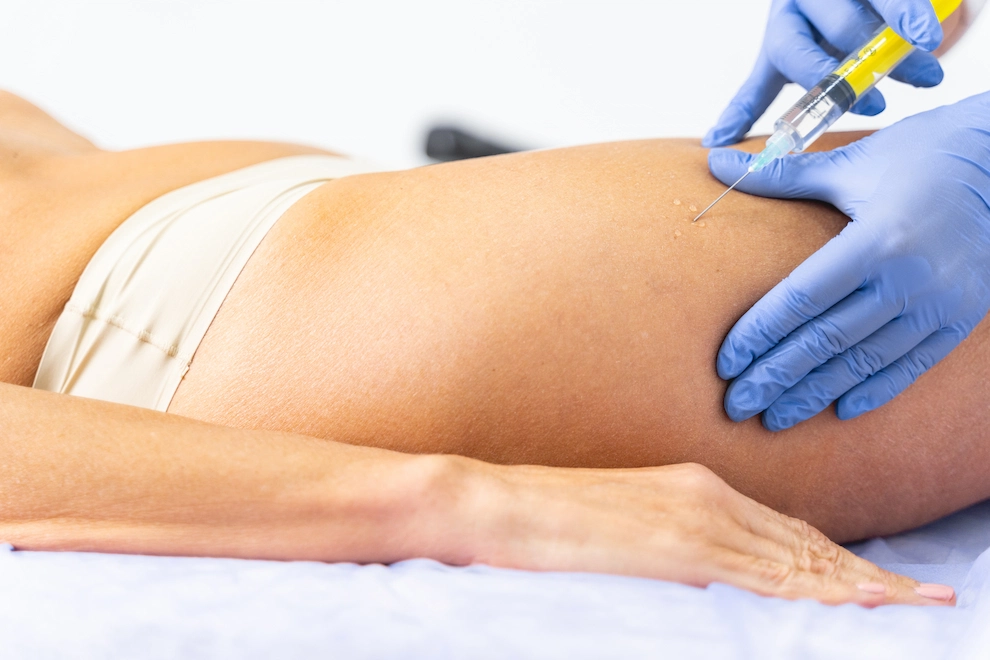
Cellulite treatments are most commonly applied to:
Cellulite treatments are suitable for individuals who are bothered by the appearance of cellulite, want to improve their skin quality, and do not wish to undergo surgical procedures. Although more common in women, treatments can also be applied to men.
Treatment is postponed for those who are pregnant or breastfeeding, have an active infection, or have a serious skin condition in the treatment area.edavi ertelenir.
One single method may not be sufficient for every patient in cellulite treatment. Personalized and combined treatment protocols are created, considering the type, severity, associated fat accumulation, and skin elasticity. The main goals of the methods used are to target fat cells, increase circulation, strengthen connective tissue, and smooth the skin’s surface.
Mesotherapy is one of the most commonly used methods for cellulite treatment. Vitamins, minerals, amino acids, circulation-boosting substances, and lipolytic ingredients are directly injected into the subcutaneous tissue using microinjections.
The main effects of this method are:
Mesotherapy is particularly effective in the early and moderate stages of cellulite. Sessions are generally scheduled 1–2 weeks apart, and the treatment shows gradual effects.
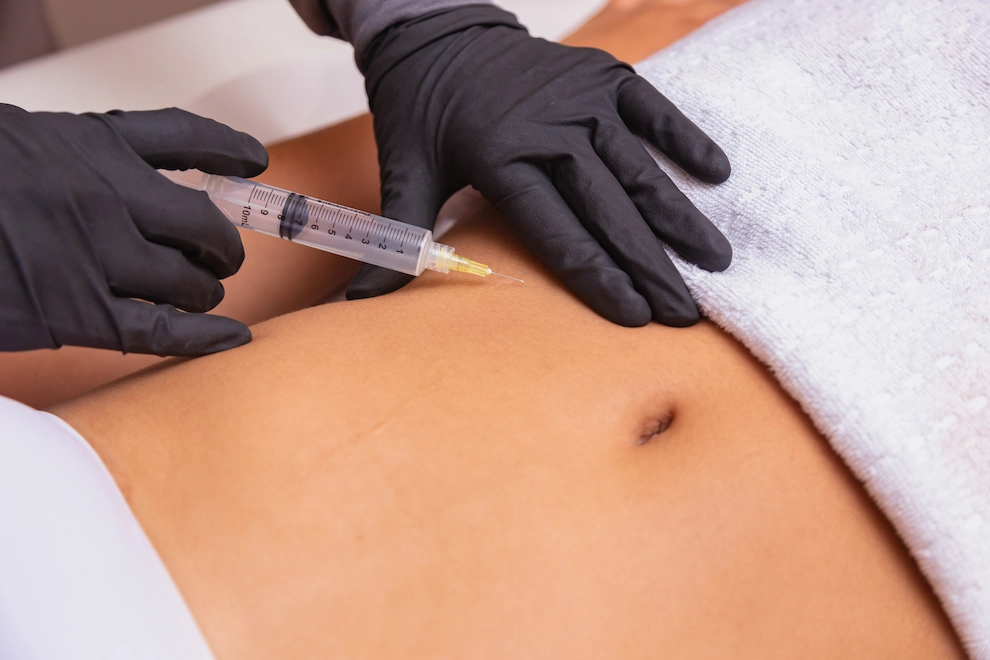
Lipolytic injections are preferred in types of cellulite associated with localized fat accumulation. In these treatments, substances that help break down fat cells are injected into the subcutaneous tissue.
The effects of this treatment are:
Lipolytic treatments are often combined with mesotherapy and circulation-boosting applications for more effective results.

One of the main causes of cellulite is the slowing of regional blood and lymph circulation. Circulation-supporting treatments help remove fluid accumulation in the tissues.
These methods:
Circulation-supporting treatments are typically planned as complementary to the main treatments.
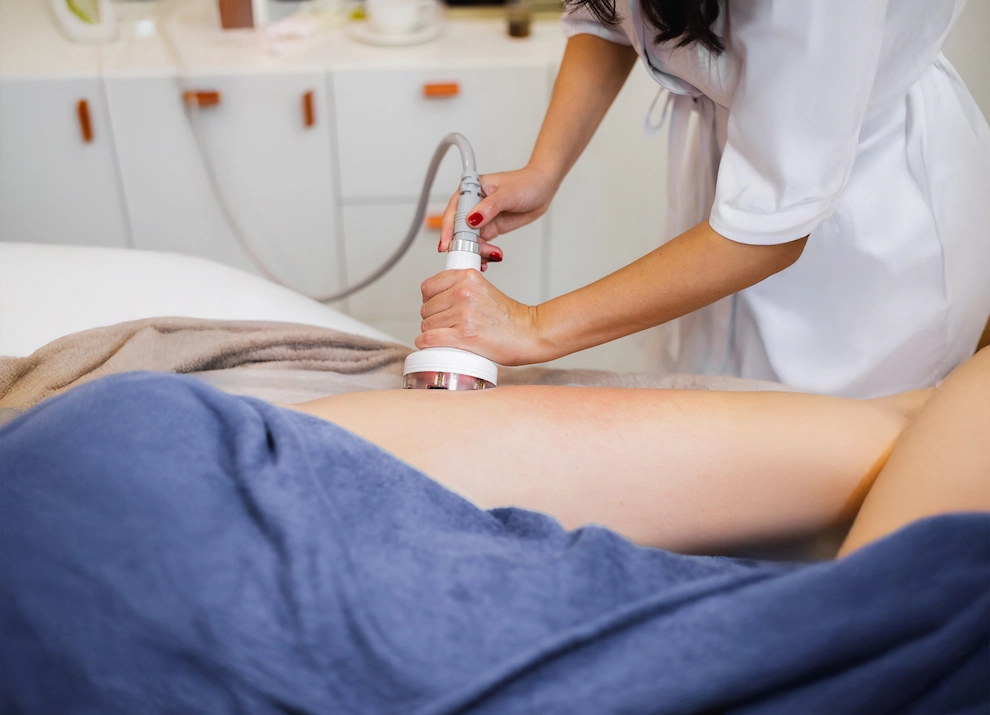
Cellulite treatments are typically planned in 4–8 sessions. Session intervals may vary between 1–2 weeks. The treatment duration can vary depending on the severity of the cellulite and the method used.
For more lasting results, a healthy diet, regular exercise, and adequate water intake are important.
After the procedure, mild redness, sensitivity, or temporary bruising may occur. These effects typically subside on their own within a short time.
In the post-treatment process, following circulation-boosting activities and adhering to the care recommendations provided by the doctor can enhance the success of the treatment.