Botox (Botulinum Toxin) Applications
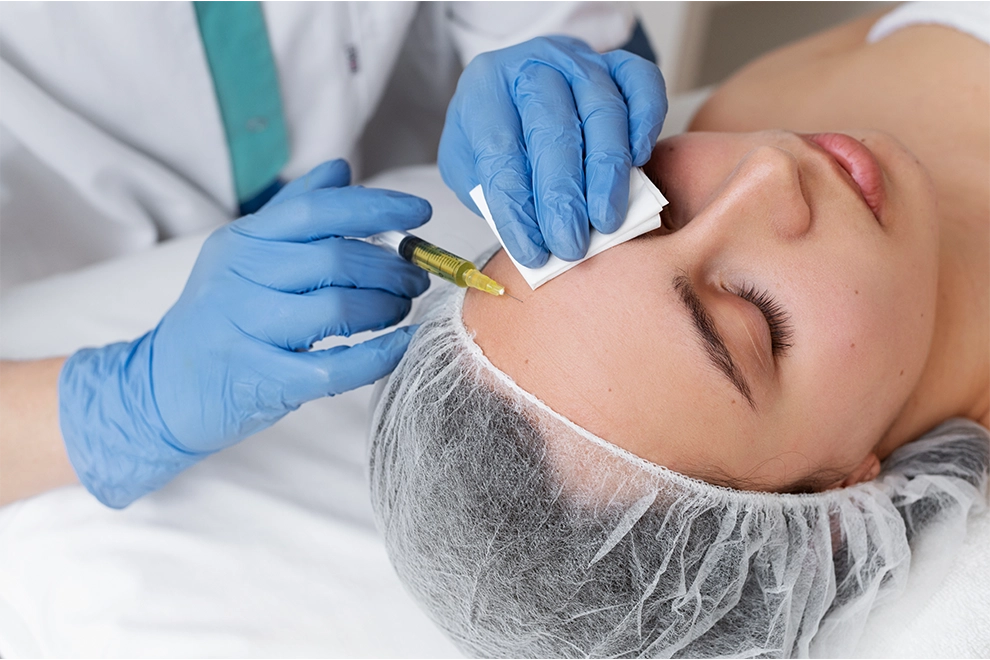
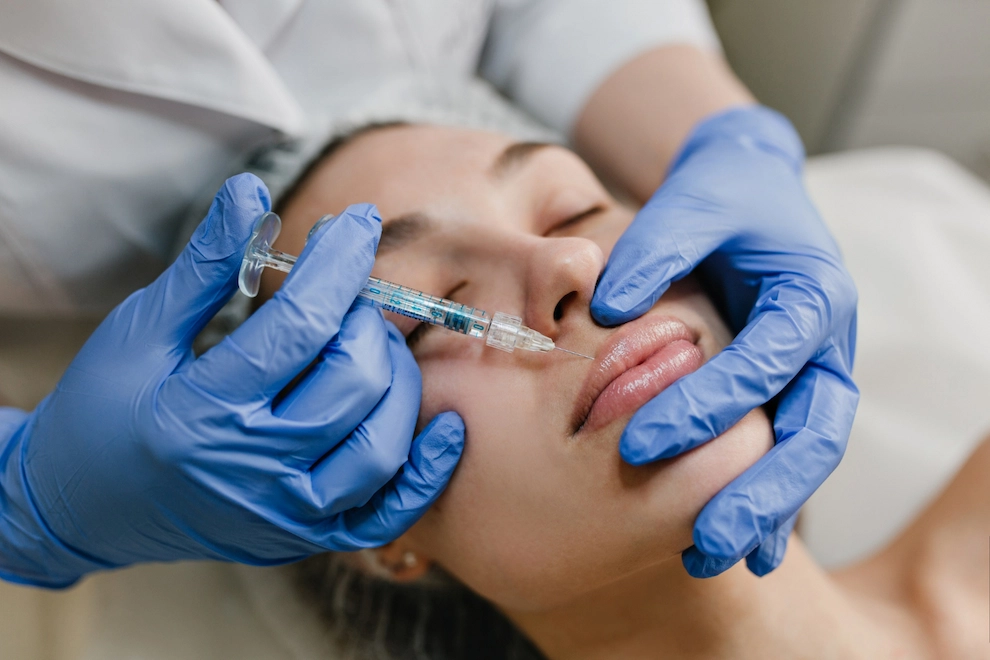
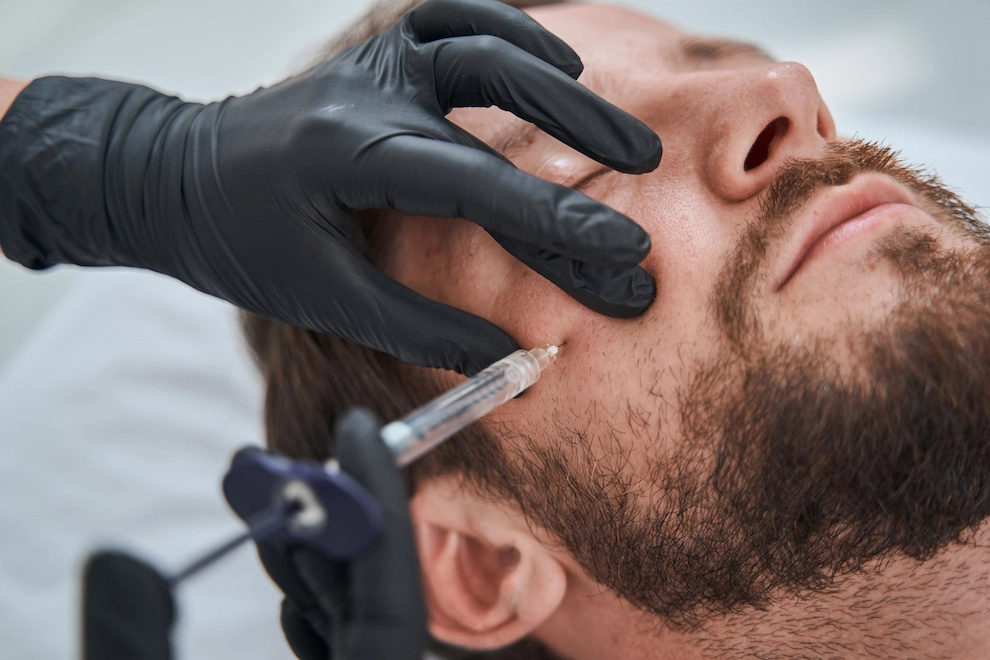
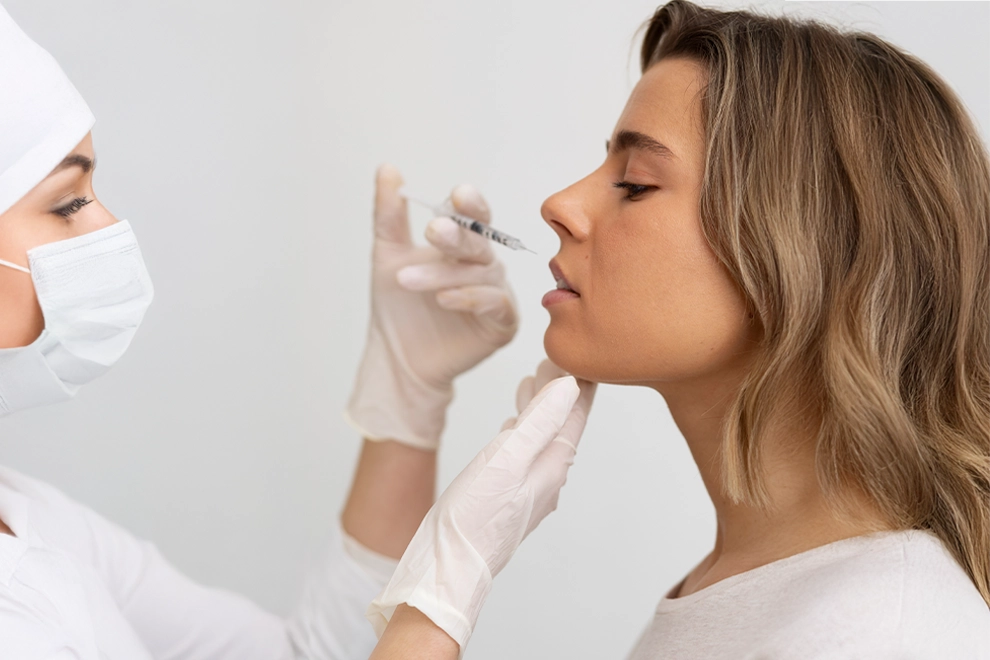
What Is Botox? Botox is the use of Botulinum Toxin Type…
Get Information

Stretch marks (striae) are linear scars that occur due to the weakening of the skin’s elastic structure caused by sudden stretching and the damage to collagen-elastin fibers in the dermal layer.
Procedure Duration :
20 - 30 min
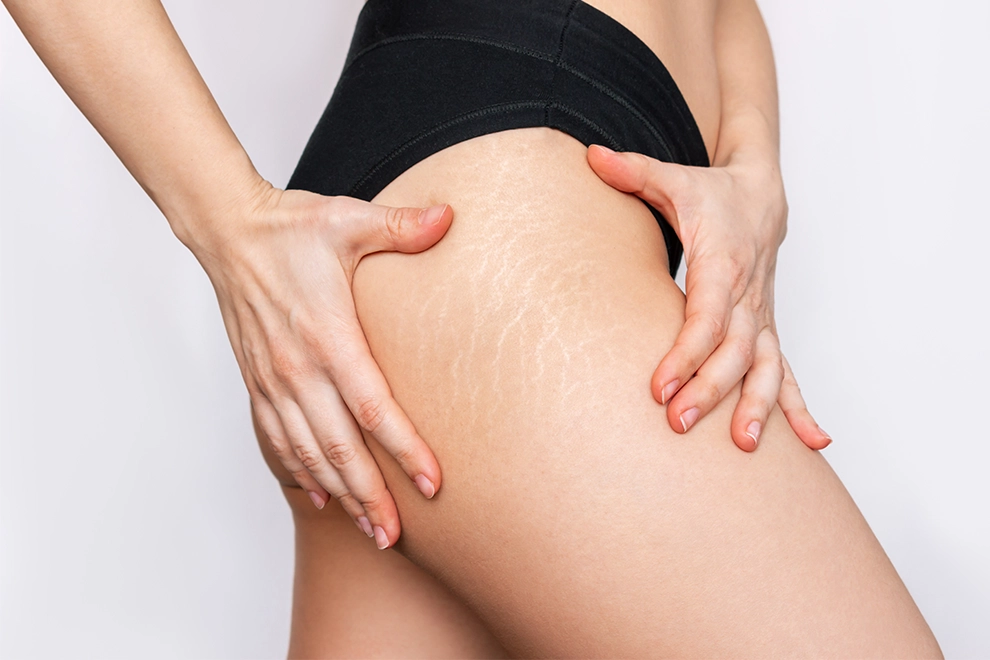
Stretch marks (striae) are linear scars formed when the skin’s elastic structure weakens due to sudden stretching, and collagen-elastin fibers in the dermal layer are damaged. They most commonly appear on the abdomen, hips, thighs, breasts, and waist. Rapid weight gain or loss, pregnancy, growth spurts during puberty, hormonal changes, and genetic predisposition play significant roles in the formation of stretch marks.
The main goal of stretch mark treatment is to repair the damaged skin tissue, increase collagen production, strengthen skin elasticity, and reduce the appearance of stretch marks to the greatest extent possible. Although stretch marks cannot be completely eliminated, they can be significantly faded with the right treatment methods.
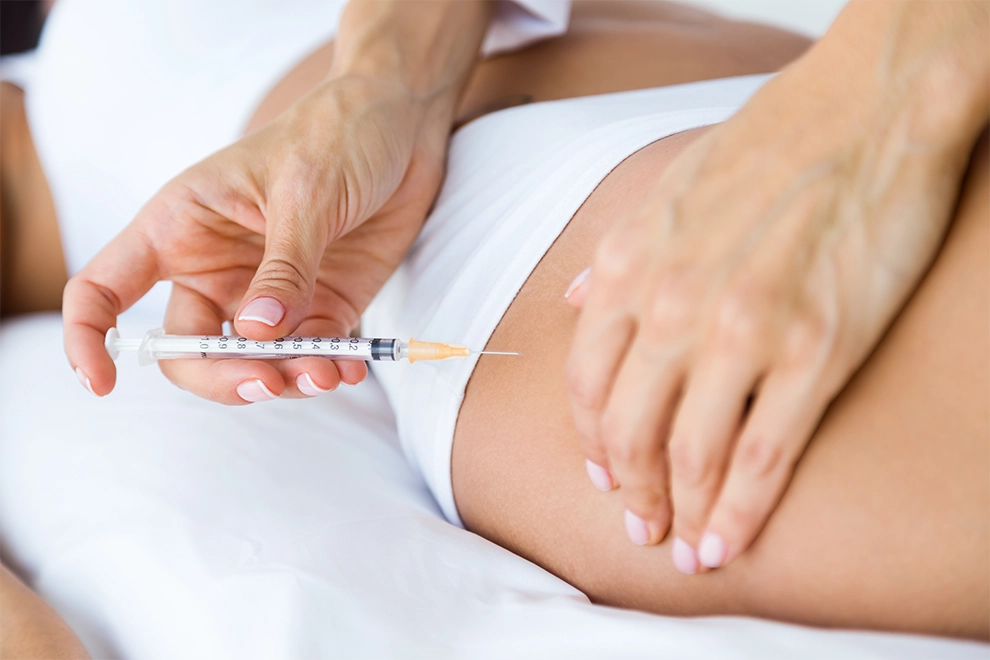
The treatment plan is personalized based on the type, depth of the stretch marks, and the patient’s skin structure.
Stretch marks cannot be completely eliminated; however, with the right treatment protocols:
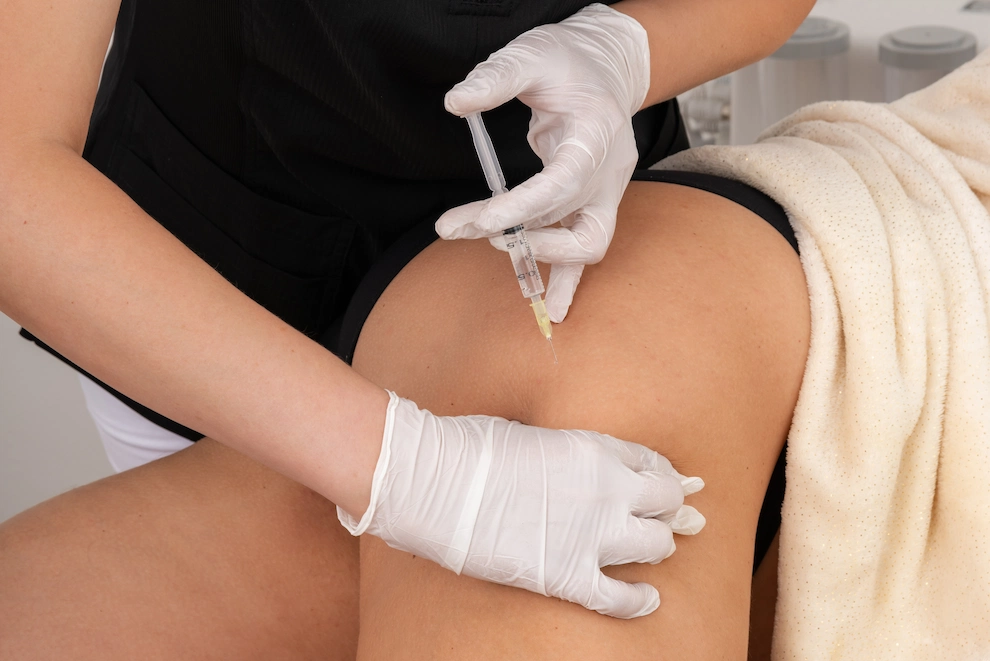
Vitamins, amino acids, minerals, peptides, and circulation-boosting ingredients are applied to the stretch mark area through microinjection. This method stimulates skin cells, supporting collagen and elastin production.
Effects:
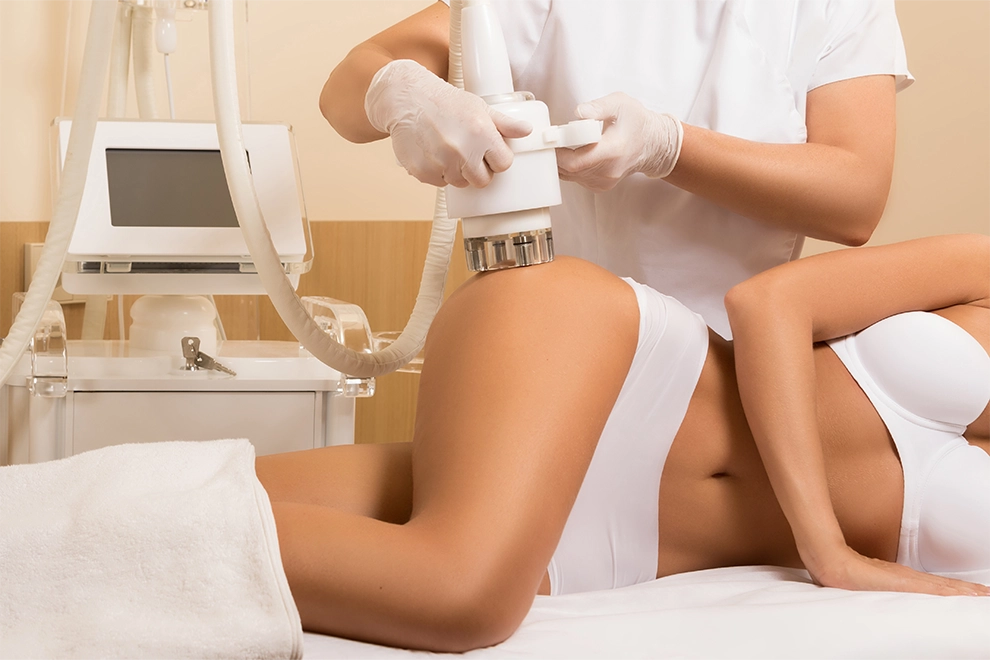
PRP, obtained from the patient’s own blood, is rich in growth factors. It supports skin regeneration and tissue repair in stretch mark treatment.
Effects:
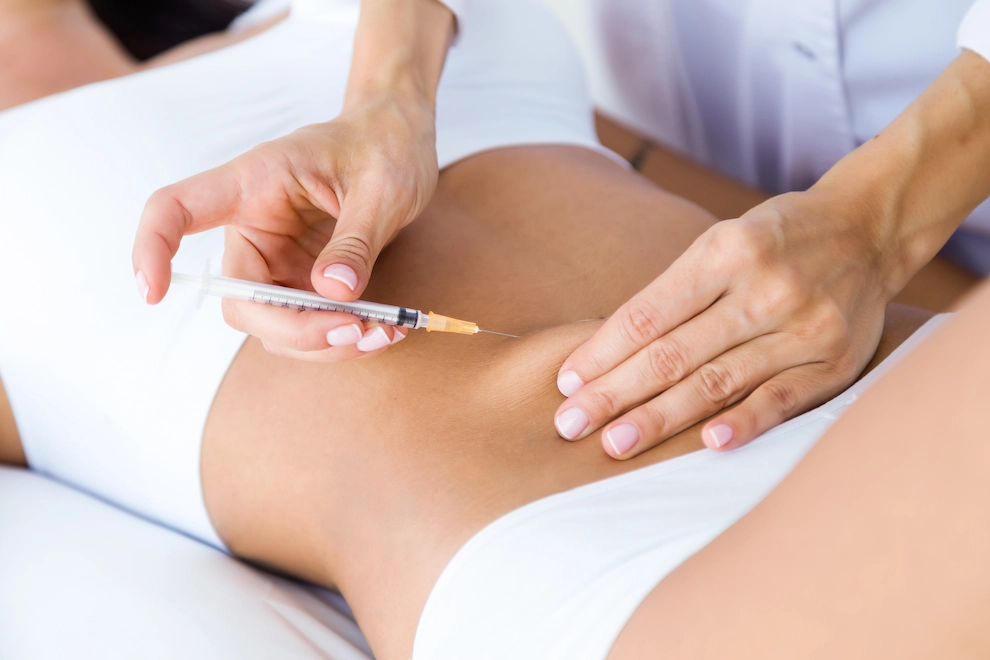
Controlled microchannels are created in the skin using microneedles, activating the skin’s natural healing mechanisms. This method is effective in reducing the appearance of stretch marks.
Effects:
Chemical peeling is a medical treatment method that uses special solutions to control the shedding of the skin, aiming for skin regeneration. In stretch mark treatment, the main goal of chemical peeling is to renew damaged skin tissue, increase collagen production, and reduce the appearance of stretch marks.
Chemical peeling is particularly preferred as a supportive and complementary treatment method for superficial and medium-depth stretch marks. It shows better response in newly formed red stretch marks (stria rubra).
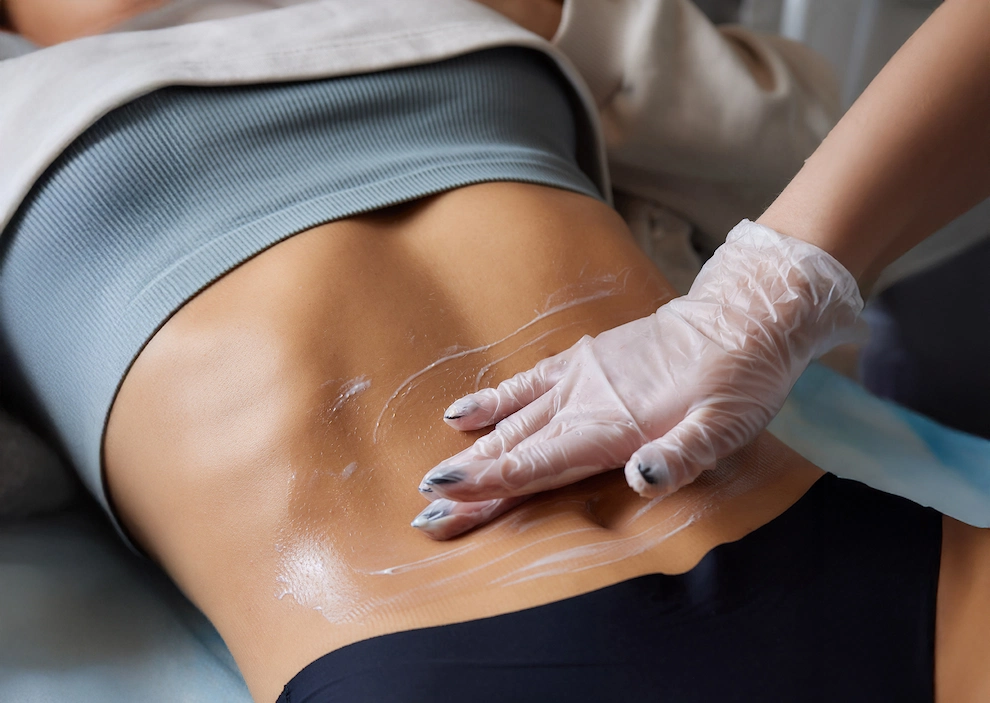
Stretch mark treatments are usually planned between 3–6 sessions. Session intervals may be 2–4 weeks apart. Faster and more noticeable results are achieved for new stretch marks, while older stretch marks may require longer and combined treatments.
Mild redness and sensitivity may occur after the procedure. These effects subside quickly. Moisturizing the skin, protecting it from the sun, and using the care products recommended by the doctor can enhance the success of the treatment.