
Botox (Botulinum Toxin) Applications
What Is Botox? Botox is the use of Botulinum Toxin Type…
Get Information

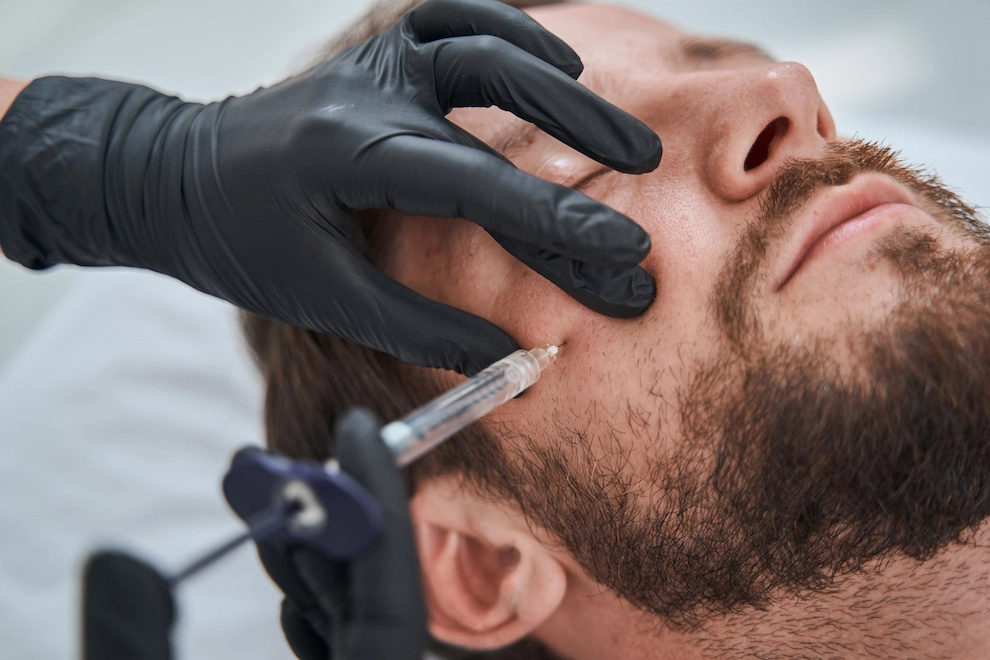
These are medical aesthetic procedures performed to restore volume loss in the face and skin over time, reduce wrinkles, define facial contours, and achieve a more rested and youthful appearance.
Procedure Duration :
15 - 30 min
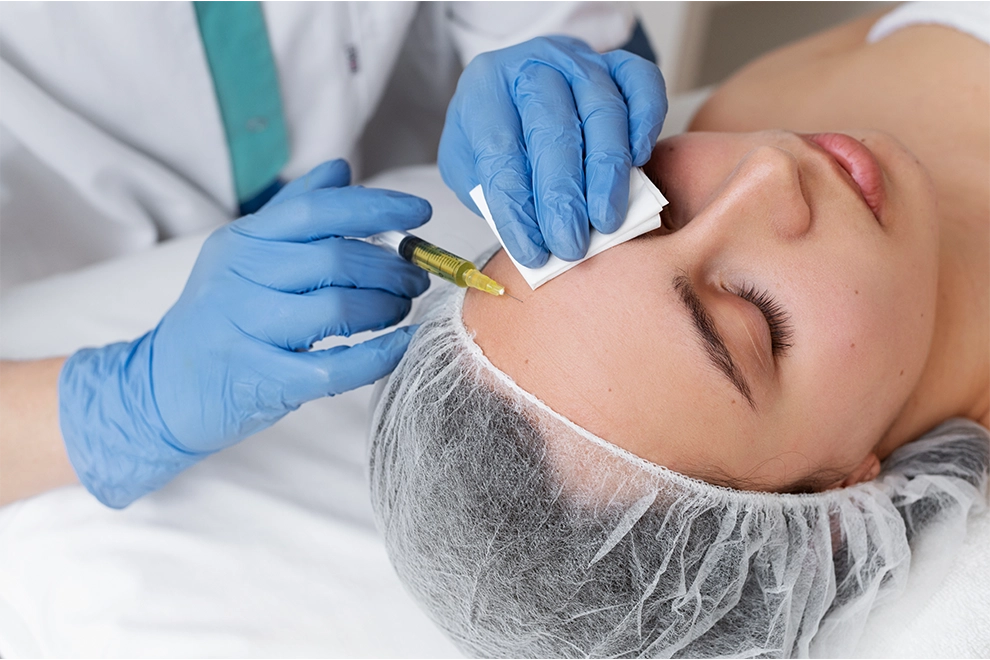
Hyaluronic acid filler applications are medical aesthetic procedures used to correct volume loss in the face and skin, reduce wrinkles, enhance facial features, and provide a more refreshed and youthful look.
Hyaluronic acid is a substance naturally found in the human body, particularly in the skin, joints, and connective tissues, with a high capacity to retain water. Thanks to this property, it provides the skin with moisture, volume, and elasticity. Hyaluronic acid fillers used for aesthetic purposes are biocompatible, temporary, and reversible products.

Hyaluronic acid filler, once applied:
Its effects are visible immediately after the procedure and gradually diminish in a natural way over time.
Yes. When applied with the right product, the correct amount, and proper technique, hyaluronic acid fillers provide a natural appearance. The goal is not to change the face, but to rejuvenate it while preserving its natural anatomy and proportions.
Common and Temporary Side Effects
Rare Complications
For this reason, hyaluronic acid filler procedures should always be performed by experienced physicians.
Swelling and Bruising
Asymmetry or Overfilling
Nodules and Firmness
Suspected Vascular Occlusion (Emergency)
Hyaluronic acid filler treatments provide natural, balanced, and satisfying results when performed with proper planning, the appropriate technique, and physician supervision. A personalized treatment plan should be created individually for each patient.
For more detailed information about hyaluronic acid filler treatments or to schedule an appointment, please contact us.
The longevity of the filler varies depending on:
On average, results last between 6–18 months, and the effect gradually decreases over time in a natural way.
Hyaluronic acid fillers are considered among the safest filler materials today because they are biocompatible, temporary, and reversible. The key factors for safety are proper patient selection, the right product, sterile conditions, and application by an experienced physician.