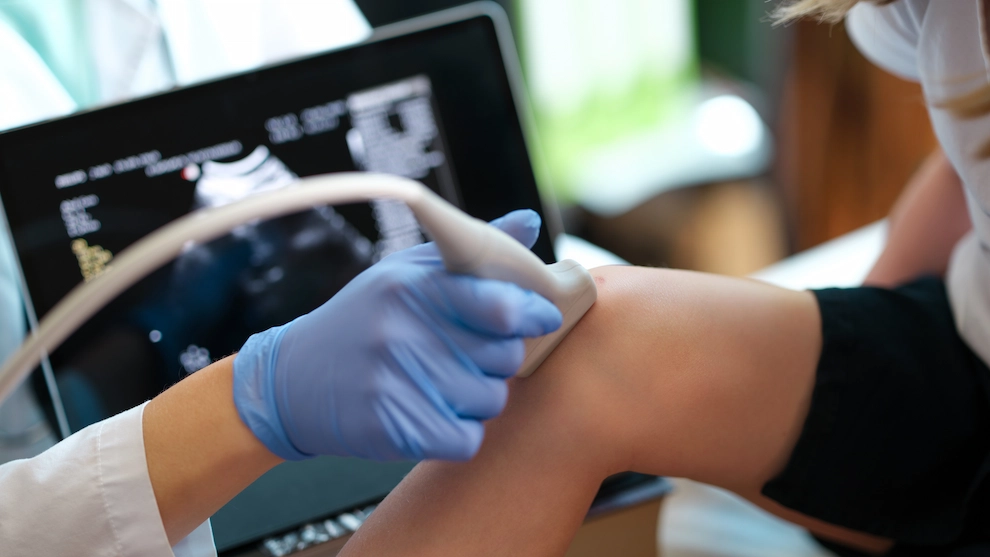
Venous Evaluation with Color Doppler Ultrasound
It is the gold standard for the early diagnosis of venous…
Get Information

Radiofrequency Ablation (RFA) is a minimally invasive and reliable method used in the treatment of varicose veins caused by venous insufficiency.
Procedure Duration :
30 - 60 min

Radiofrequency Ablation is a varicose vein treatment method based on entering the insufficient vein under ultrasound guidance and delivering controlled radiofrequency energy to heat the vein wall, thereby closing the vein from the inside. The treated vein is gradually absorbed by the body over time, and blood circulation is redirected to healthy veins.
Endovenous Radiofrequency Ablation (RFA) is an effective and safe technique used in varicose vein treatment. In our clinic, the procedure is performed under local (tumescent) anesthesia, prioritizing patient comfort and safety. This approach eliminates the risks associated with general anesthesia and allows patients to return to daily life quickly.
The procedure is carried out under color Doppler ultrasound guidance by placing a radiofrequency catheter into the diseased vein. Tumescent anesthesia is administered around the vein to provide pain control and protect surrounding tissues. The vein is then closed in a controlled manner using radiofrequency energy, achieving high success rates.
Mild pain, tightness, or tenderness may occur during the first few days; these symptoms are temporary. Showering should be avoided on the day of the procedure and the following day; afterward, warm showers are recommended.
Compression stockings should not be removed on the first night and should be worn during the daytime for approximately 10 days thereafter. Walking for at least 20 minutes daily is advised. For the first month, hot baths, saunas, Turkish baths, and prolonged sun exposure should be avoided.
A rapid return to daily life is possible; however, heavy exercise and prolonged standing should be avoided during the first 10 days. In case of severe pain, significant redness, increased warmth, or unilateral leg swelling, our clinic should be contacted. The first follow-up visit is generally scheduled about 10 days after the procedure.
RFA may not be appropriate for every patient with varicose veins. Eligibility for treatment is determined after a detailed physician examination and Doppler ultrasound evaluation.