Skip to main contentSkip to footer
Arterial Disease TreatmentEndovascular Angiographic Treatments

Vascular Recanalization Procedures in the Diabetic Foot

This is a serious health condition that arises as a result of vascular occlusions, nerve damage, and impaired tissue nutrition caused by long-standing diabetes.

Procedure Duration :

60 - 120 min

The primary goal of the treatment is to increase blood flow to the foot tissues, support wound healing, and prevent limb loss. For this purpose, endovascular vascular recanalization procedures and tissue regeneration applications are performed either together or in stages.

How Are Vascular Recanalization Procedures Performed?

  • The procedure is performed in the angiography unit
  • Access is usually obtained through the groin or arm artery
  • The arteries of the foot and leg are visualized in detail
  • Narrowed or occluded segments are dilated with a balloon
  • A stent is placed when necessary
  • Thrombectomy may be performed in the presence of an acute clot
  • The procedures are mostly performed under local anesthesia

What Are Vascular Recanalization Procedures in the Diabetic Foot?

Vascular recanalization procedures in the diabetic foot involve the treatment of stenosis or occlusions in the foot and leg arteries using endovascular methods such as balloon angioplasty, stenting, and, when necessary, thrombectomy, without the need for open surgery.

Thanks to these procedures:

  • Blood flow to the foot tissues is increased
  • Adequate circulation is provided to support wound healing
  • The risk of infection and amputation is reduced

You can contact us to get detailed information about Vascular Recanalization Procedures in the Diabetic Foot and to schedule an appointment.

  • Patients with long-standing non-healing diabetic foot wounds
  • Those who develop ulcers, tissue loss, necrosis, or gangrene in the foot or toes
  • Diabetic patients experiencing foot or leg pain while walking or at rest
  • Patients with signs such as coldness, paleness, color change, and weak pulse in the foot
  • Those with arterial stenosis or occlusion detected on imaging
  • Patients who do not achieve healing despite medical treatment and wound care
  • Patients with controlled infection but inadequate circulation
  • Patients at risk of amputation who may benefit from limb-salvage treatment
  • Improves tissue nutrition of the foot and toes by increasing blood circulation
  • Accelerates wound healing and enhances oxygen and nutrient supply
  • Reduces the risk of amputation and contributes to limb preservation
  • Decreases pain and rest pain, improving overall comfort and quality of life
  • Minimally invasive and usually performed under local anesthesia
  • Offers fast recovery and a short hospital stay
  • Can be applied in conjunction with wound care and infection treatments
  • Can be safely preferred in high-risk patients
  • A repeatable treatment method when necessary

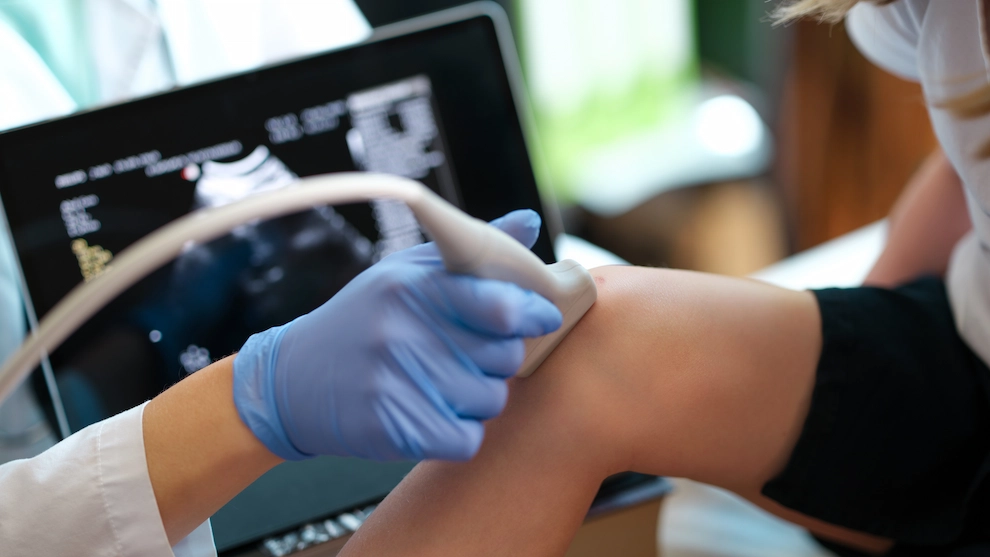
After vascular recanalization procedures in the diabetic foot, follow-up is carried out in a planned manner with regular clinical evaluations and color Doppler ultrasound examinations to ensure vascular patency is maintained, wound healing continues, and potential complications are detected at an early stage.

Frequently Asked Questions

You can explore the most commonly asked questions regarding our healthcare services and treatment methods.

Other Treatments