Our legs are among our most vital organs, connecting us to life and carrying our entire physical burden. However, over the years, factors such as gravity, genetic heritage, a sedentary lifestyle, or pregnancy can fatigue the circulatory system in our legs. The appearance of fine red spider-web-like capillaries or green/purple bulging veins on the skin surface is more than just an aesthetic concern; they significantly lower quality of life by causing pain, burning sensations, itching, and fatigue.
In the past, the mention of “varicose veins” brought to mind frightening, heavy surgeries requiring general anesthesia and weeks of bed rest. Thanks to modern cardiovascular surgery, that era is completely over. Today, the most elegant, practical, and effective way to rid yourself of these bothersome vascular networks on the skin surface is Foam Sclerotherapy.
As a Cardiovascular Surgeon (Operating Doctor), my core principle at our clinic is to restore both the medical health and the smooth aesthetic appearance of your legs without risking your health or detaching you from your daily routine. In this comprehensive guide, we delve into the miraculous effects, medical infrastructure, and the difference our surgical vision makes in foam sclerotherapy—often referred to as a “lunchtime procedure.”
What is Foam Sclerotherapy and How Does It Work?
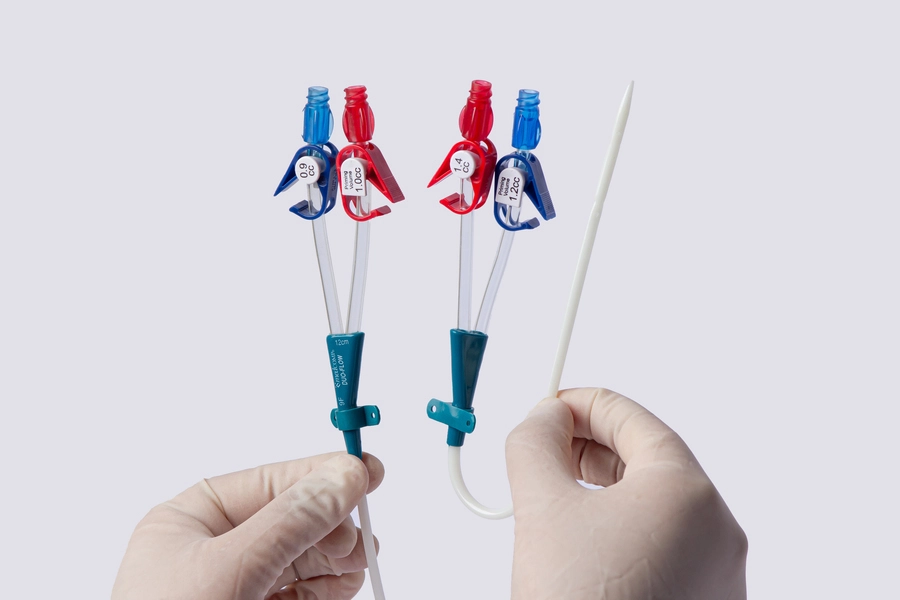
Foam sclerotherapy involves injecting a specialized medication into problematic and dysfunctional varicose veins to shrink and close them. However, the form of the medication used in this process is very specific.
-
What is it?: A medical liquid drug called a “sclerosant,” which initiates a reaction on the inner surface of the vein, is mixed with air (or sometimes special gases) using a specific device just before application. This turns it into the consistency of shaving foam. Using the drug in “foam” form rather than liquid offers a massive advantage: the foam does not dilute in the blood; instead, it displaces the blood, sticks directly to the vein wall (the endothelial layer), and penetrates every corner of the vein equally. Consequently, much wider and thicker veins can be closed safely using a smaller amount of active substance compared to liquid sclerotherapy.
-
How does it work?: Injected through ultra-fine micro-needles, this foam irritates the inner lining of the dysfunctional vein, causing the walls to stick together and collapse (close). Since there is no longer blood flow within this closed vein, the body’s natural defense mechanisms (macrophages) biologically absorb and eventually eliminate it over time. In other words, the vein is not surgically cut and removed; it is erased from within using the body’s own repair mechanism.
Foam Treatment Through a Surgeon’s Eye: “Map First, Intervene Second”
Many patients may view the capillaries they see on their skin purely as a cosmetic issue and request immediate needle treatment. However, foam sclerotherapy is not a simple cosmetic injection; it is a serious medical procedure.
As an Operating Doctor, the rule I never compromise on in my clinic is this: Foam treatment does not begin without Venous Doppler Ultrasonography (Vascular Mapping).
Why? Because those fine capillaries you see on the surface are often the outward manifestation of a valve failure deeper within (for example, in the main vessel we call the Saphenous vein). If there is an internal “leak” causing blood to reflux, and we apply foam to the surface capillaries without first identifying and closing that leak with a laser, those veins will reappear (recur) much more aggressively within months. Successful and permanent foam sclerotherapy is only possible when the “root cause” is found and the circulatory system is evaluated as a whole.
Frequently Asked Questions (FAQ)
Before taking a step toward erasing those uncomfortable images on your legs, we address your questions with full medical transparency:
1. Will I feel pain or discomfort during the foam treatment? The procedure is extremely comfortable. Foam injections are performed using “micro-needles” as thin as a strand of hair. These needles are so fine that the most you will feel is a sensation akin to a mosquito bite or a slight tingling. It requires no local or general anesthesia.
2. Does closing these veins harm my blood circulation? This is a common fear: “If my vein is closed, where will the blood go?” Actually, these varicose veins are already diseased “junk” vessels that have lost their function of carrying blood upward and instead allow it to pool. When we close this broken path, our miraculous body instantly redirects the blood to the healthy and strong deep veins (the main highway) beneath the skin. Your circulation is not harmed; on the contrary, it achieves a much healthier and more relaxed flow.
3. How long does the procedure take, and do I need bed rest afterward? A foam sclerotherapy session takes an average of 15 to 30 minutes, depending on the density of the varicose veins. You can stand up immediately after the procedure. Not only is bed rest unnecessary, but we specifically ask you to walk briskly for at least 15-20 minutes immediately afterward to stimulate blood circulation. It is a treatment you can have during your lunch break and return to work in the afternoon.
4. Do the veins disappear instantly? In the first seconds of injecting the drug, you will see the vein literally vanish before your eyes—a moment our patients find very satisfying. However, this is just the initial effect. Within hours, those veins may become more prominent and reddened due to the reaction. It takes an average of 4 to 8 weeks (sometimes longer depending on skin type and vein thickness) for the body to absorb the closed vein and for any marks to fade. Sclerotherapy is a process that requires patience.
5. Is it mandatory to use compression stockings after the procedure? Yes. This is the most critical part of our treatment protocol. After the procedure, medical bandages are applied or medical compression stockings are worn. External pressure is essential to ensure the walls of the vein we shriveled with foam stick together tightly and do not fill with blood again. Wearing these stockings for the duration recommended by your doctor (usually 1 to 3 weeks) directly increases the success of the treatment.
Foam Sclerotherapy Costs and Specialists in Kartal
The cost of a foam treatment session is determined by several transparent factors:
-
Prevalence of the Disease and Number of Sessions: Varicose vein density is unique to every patient, like a fingerprint. While some patients have only 3-5 capillaries, others may have massive networks covering the entire leg. The amount of medication needed and the number of sessions required to fully erase the problem (usually planned between 1 to 4 sessions) form the basis of the pricing.
-
Necessity of Venous Mapping (Doppler Ultrasound): As mentioned, a safe treatment requires a vascular map first. The scope of the diagnostic process and whether an additional treatment (such as Laser or Radiofrequency) is needed for the underlying main vein insufficiency affects the total budget.
-
Quality of Materials and Surgeon Expertise: It is vital that the drug injected into your vein is an FDA-approved, world-standard original molecule to minimize side effects. Furthermore, the success of foam treatment depends on preparing the foam at the correct concentration, knowing how much to inject into which vein, and managing complications. This is a serious medical procedure where you are investing in the expertise and anatomical knowledge of a Cardiovascular Surgeon.
Hiding your legs or avoiding the mirror due to pain is not your destiny. Thanks to foam sclerotherapy blended with surgical reliability, you can regain the healthy, smooth legs of years ago comfortably and without surgery. You can take the first step toward your treatment by booking a consultation at the clinic of Op. Dr. Nebiye Tüfekci.