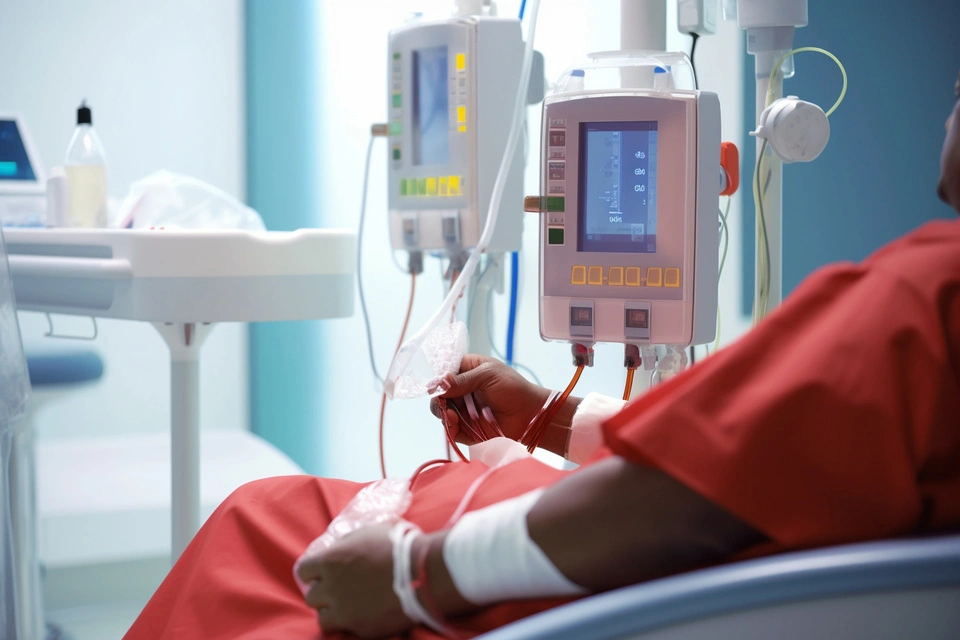
Nowadays, for our patients who have been diagnosed with kidney failure and are preparing for hemodialysis treatment, one of the most important milestones of the process is the creation of a safe and healthy vascular access. While the dialysis machine performs the blood-cleansing task outside the body—a function normally handled by the kidneys themselves—it requires a strong, durable, and continuously usable “access point” to draw blood from the body, clean it, and return it. Often, our patients may find this stage complex or intimidating; however, a properly planned vascular access is the most fundamental element that determines the quality of your dialysis treatment and the comfort of your daily life.
At this point, what is medically known as an Arteriovenous Fistula, or AV Fistula for short, is accepted worldwide as the “gold standard” of hemodialysis treatment. Being the most natural, long-lasting, and comfortable dialysis access that does not contain any foreign substances from the outside, the AV fistula acts as a miraculous bridge that allows our patients to go through their treatment process safely. From the perspective of a Cardiovascular Surgeon, the issue we attach the most importance to is eliminating all the question marks in our patients’ minds regarding this process and ensuring they know step-by-step what they will encounter. In this comprehensive guide, we cover in full detail what the AV Fistula application—the life companion of our dialysis patients—is, why it is superior to other methods, how the surgical process proceeds, and what should be considered during the maturation phase.
What is an AV Fistula and What Does it Do?
To fully grasp this concept, it is helpful to briefly look at the map of our vascular system. There are two main vascular networks in the human body:
- Arteries: These are the deep vessels that pump oxygenated, high-pressure blood from the heart to the tissues.
- Veins: These are the vessels that carry the blood used in the tissues back to the heart at a lower pressure, through a route closer to the surface.
During dialysis treatment, blood must be delivered to the machine at an adequate speed and volume. However, the natural flow rate and wall thickness of the easily accessible superficial veins are not structured to withstand this procedure multiple times a week. Arteries, on the other hand, have sufficient pressure but are located too deep and are not suitable for continuous needle insertion.
An AV Fistula is the condition in which an artery and a vein in the arm are surgically connected (anastomosed) under the skin via a minor procedure. Thanks to this smart connection, the high-pressure and strong blood flow of the artery is directed straight into the superficial vein. Exposed to high blood flow, the surface vein expands over time, its walls thicken, and it becomes stronger. In this way, it not only becomes superficial and prominent enough for dialysis nurses to easily insert needles, but it also reaches a large capacity that can comfortably provide the high blood flow rate required by the machine. Created entirely using your own natural tissue, this system does not contain any artificial tubes or synthetic materials from the outside.
How is an AV Fistula Created? How Does the Surgical Process Proceed?
Many of our patients rightfully worry when they hear the word “surgery.” However, creating an AV Fistula is a highly comfortable microsurgical procedure that requires fine craftsmanship but is not exhausting for the patient. The process generally proceeds with the following steps:
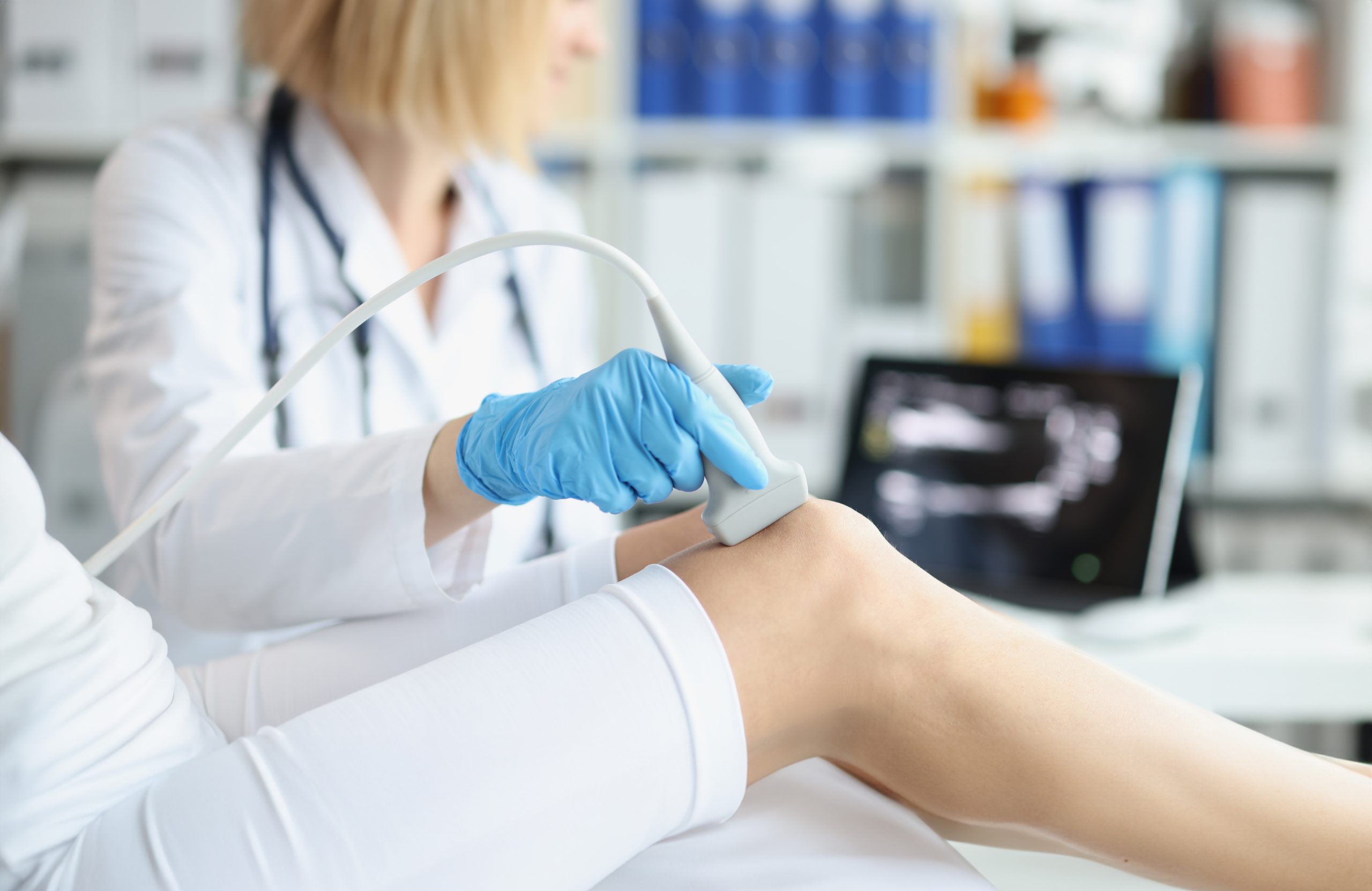
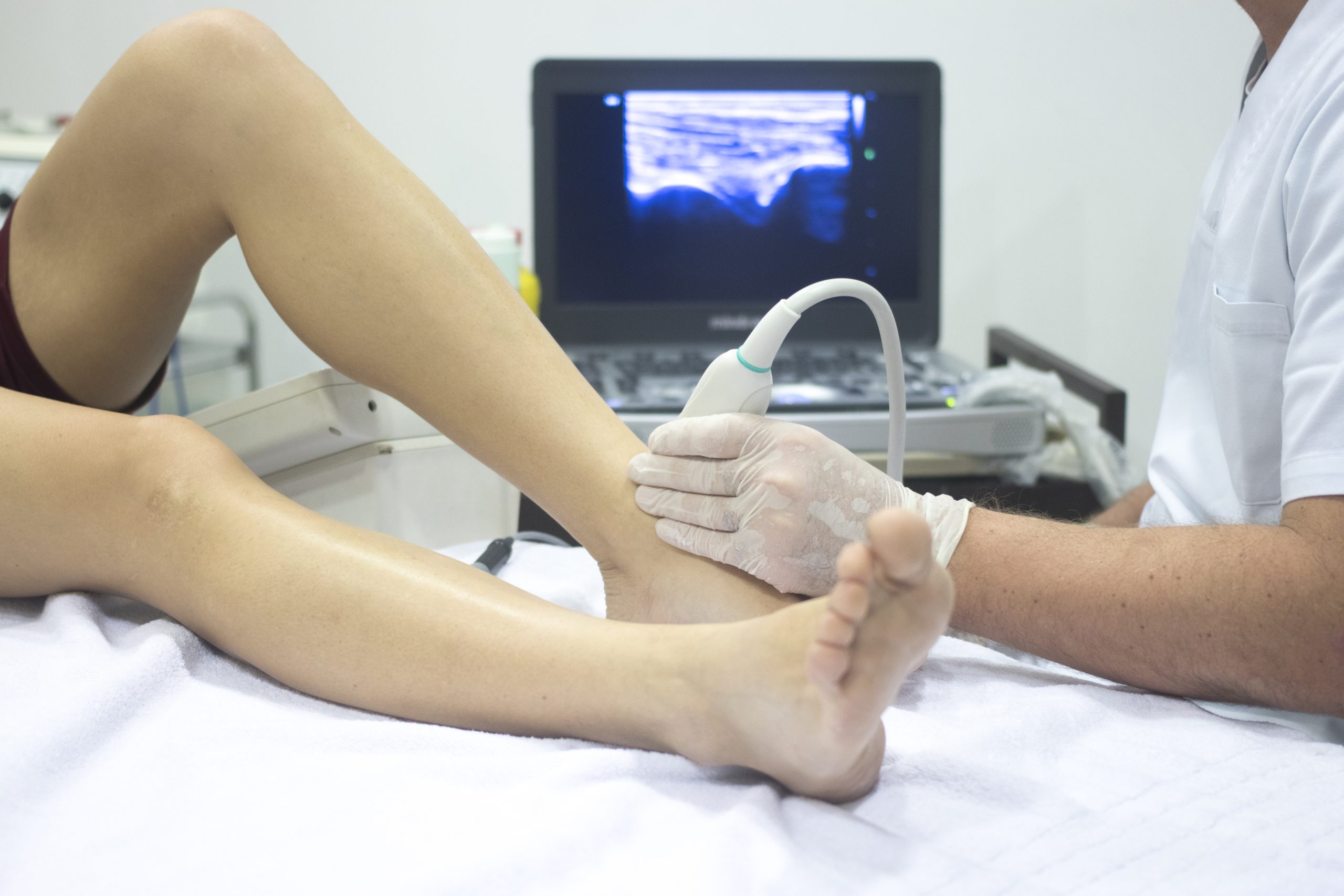
- Vascular Mapping (Doppler Ultrasound): Before the procedure, the vascular structure in the patient’s arms is examined with millimeter precision using special color ultrasound devices. The most suitable artery and vein to be joined, their diameters, and blood flow rates are determined. Generally, the arm the patient does not actively use in daily life (the left arm for right-handed individuals) is preferred.
- Anesthesia and Comfort: The procedure does not require general anesthesia. Only local anesthesia (regional numbing) is applied to the wrist or elbow area where the fistula will be created. You remain completely awake during the procedure, can chat comfortably with your doctor, and will absolutely not feel any pain or ache.
- Surgical Connection Phase: Once complete numbness is achieved, the predetermined artery and vein are brought side by side through a very small incision made in the arm. Using micro-surgical instruments and very fine sutures, these two vessels are sewn together.
- Discharge Process: The operation is successfully completed in an average of 45 minutes to 1 hour, depending on the patient’s vascular anatomy. You do not need to stay overnight in the hospital after the procedure is finished; you can walk home the same day and peacefully continue your daily life right where you left off.
In Which Patients is an AV Fistula Created? Who is it Suitable For?
The dialysis process is not a sudden decision made overnight; it is generally the result of a slow loss of kidney function over the years. An AV Fistula is the finest example of a planned and proactive medical approach. Proper timing saves lives.
- Patients Preparing for Dialysis: For patients whose kidney functions have dropped below a certain critical level and who are expected to start dialysis treatment in the near future, creating a fistula a few months before the need for dialysis arises is the most ideal and risk-free scenario.
- Current Dialysis Patients: It is applied to all hemodialysis patients who had to start dialysis with temporary catheters inserted into the neck or chest area in emergencies, but who now need a long-term, safe, and low-infection-risk permanent vascular access.
- Artificial Vessel (Graft) Users: For our patients who have previously used artificial vessels due to vascular insufficiency in the arm but want to switch to a system that is more compatible with their natural tissue and has a lower risk of blockage, an AV Fistula is always the primary choice if there is a suitable anatomical structure.
- Who is it Not Suitable For?: It may not be anatomically possible to create a direct fistula in very rare patients whose vascular structure is genetically very thin or whose arm veins have been severely damaged previously due to IVs or frequent blood draws. However, with detailed ultrasound mapping, a suitable alternative solution can be found for almost all patients.
How Does the AV Fistula Maturation Process Progress?
It is not possible to undergo dialysis from that arm on the same day right after the AV Fistula surgery is completed. The thin vein that has been connected needs a “maturation” period to get used to the new high pressure coming from the artery, to expand sufficiently, and to become resilient against the insertion of thick dialysis needles.
Although this process varies according to the person’s vascular structure, it is generally completed between 4 to 8 weeks. Our patients’ active participation in the process during the maturation period directly affects the lifespan and success of the fistula.
When you gently touch your fistula area with your fingers, you will feel a rhythmic vibration inside resembling a bee’s buzz or a cat’s purr. This vibration, medically called a “thrill,” is the biggest herald that blood is flowing very strongly and that your fistula is working healthily. Your physician will recommend simple but very effective exercises to accelerate maturation and strengthen the vessel. The most well-known of these is to squeeze and release a soft stress ball at regular intervals during the day. This natural pumping motion works your arm muscles, accelerates the blood flow inside the vessel, and allows the vein to reach the thickness suitable for dialysis in a much shorter time.
What Are the Advantages of an AV Fistula? Why is it Preferred?
Different options exist in the medical world as permanent vascular access in hemodialysis treatment, such as neck catheters, artificial synthetic vessels (grafts), and natural AV fistulas. However, in light of the data provided by modern medicine, the AV Fistula always ranks first with its unique advantages:
- Completely Natural and Biocompatible: No synthetic, silicone, or plastic materials are used from the outside. Since only your own original vessels are used, the probability of the body rejecting this structure or reacting to a foreign substance and causing inflammation is close to zero.
- Long-Lasting Use: An AV fistula created with proper surgical mastery and cared for well afterward provides safe dialysis access smoothly for years, sometimes even decades. The lifespan of other temporary methods is much shorter.
- High Dialysis Efficiency (Clearance Capacity): The AV fistula continuously and strongly provides the high blood flow required for the dialysis machine’s filtration process. This means that every dialysis session is spent at maximum efficiency, the toxins in your blood are cleaned much better, and you feel much more energetic after the session.
- Freedom and Social Life Comfort: While patients using dangling external catheters have to be very careful while bathing, sleeping, or during daily activities, a matured AV fistula works like a hidden hero under the skin. It does not restrict your daily life, does not take away your freedom of movement, and allows you to shower comfortably.
- Low Infection Risk: Since catheters are an open door extending from the outside of the skin into the body, they always carry a risk of infection; whereas a fistula, being a completely closed system under the skin, is the most hygienic and reliable method.
Frequently Asked Questions (FAQ)
We answer the questions that occupy our patients’ minds the most during polyclinic interviews, which they may hesitate to voice, in a transparent and understandable language:
- Will there be a permanent scar or deformity on my arm after fistula surgery? The incisions made with modern microsurgical techniques are quite small (usually 2-3 cm). When healing is complete, it remains as an indistinct, thin line. Within months, the expanding vessel that does its job will become slightly prominent under the skin; however, this is not an aesthetic flaw, but a proud indicator that your life-saving treatment is working healthily and that your vessel is very strong.
- How will it affect my daily life, can I do sports? After the maturation period is over and your stitches are removed, you can completely return to your normal life. Exercises such as walking, stretching, and light jogging are allowed. You just need to avoid carrying very heavy grocery bags with your fistula arm and stay away from contact sports where that arm could take a hard blow.
- Can I have my blood pressure measured or give blood from my fistula arm? This is a very important golden rule that must never be forgotten: The arm where the AV fistula is created is your lifeline. Blood pressure must absolutely not be measured from that arm, and procedures such as routine blood draws or inserting an IV in case of illness must not be performed other than with dialysis needles. Tight clothing, heavy jewelry, or tight watches that squeeze that arm should not be used. All these routine procedures must always be performed on your other (healthy) arm.
A Safe and Comfortable Dialysis Process with Op. Dr. Nebiye Tüfekci
The creation of your vascular access during the preparation phase for hemodialysis treatment is not merely a mechanical procedure; it is a highly sensitive surgical art that will directly determine your long-term quality of life, daily freedom of movement, and most importantly, your psychological well-being. During this critical period, Cardiovascular Surgery Specialist Op. Dr. Nebiye Tüfekci, who stands out with her deep experience in microsurgery and the transparent, trust-oriented communication she has established with her patients throughout her professional life, accompanies her patients with great care from the very beginning to the end of the process.
Blending her medical knowledge with contemporary surgical techniques, Op. Dr. Nebiye Tüfekci creates a completely personalized, “tailor-made” vascular access plan best suited to each patient’s own anatomical vascular structure. Our main philosophy is to lovingly eliminate all anxieties in the minds of our patients stepping into the dialysis process, turning the procedure from a frightening unknown into a solid bridge to hold onto life with hope.
We provide service in our fully equipped clinic located within Bumerang Kartal Residence so that our patients can have their diagnosis, Doppler ultrasound mapping, and examinations in a modern, sterile, and peaceful environment. Located in one of the most strategic locations on the Istanbul Anatolian Side, our clinic—especially the Kartal region—offers great transportation convenience for our patients coming from surrounding districts such as Maltepe, Pendik, Tuzla, and Ataşehir, thanks to its comfortable proximity to main transportation axes like the E-5 highway and the coastal road.
To achieve a strong, long-lasting natural vascular access made of your own body’s tissue in your challenging dialysis journey, to get detailed and transparent information about AV Fistula surgery, or to have your preventive vascular mapping done, you can contact our clinic at Bumerang Kartal Residence. Never forget that you are in experienced and reliable hands for a healthy, uninterrupted, painless, and comfortable treatment process. Hoping to walk together toward bright and hopeful tomorrows.